Security-conscious engineering
Set clear boundaries between public pages, private systems, and third-party services. Select dependencies deliberately and keep publishing access out of the visitor experience.
Website design & engineering
Your website is often the first interaction someone has with your organization. We bring together polished design and practical engineering, with a focus on clarity, accessibility, and maintainable implementation.
Thoughtful design. Clear technical decisions. No one-size-fits-all stack.

Built around your needs
Design, delivery, and ownership
More than a visual refresh
A site needs to do more than look good. It should make information easy to find, work across devices and assistive technologies, load efficiently, and have a practical plan for changes after launch. We plan those outcomes together instead of treating design, development, and operations as separate problems.
Set clear boundaries between public pages, private systems, and third-party services. Select dependencies deliberately and keep publishing access out of the visitor experience.
Configure responsive layouts and image/code delivery, and evaluate deployment options for client-owned accounts. Measured performance depends on implementation, devices, and providers.
Use a version-controlled codebase, reusable page patterns, and a repeatable release workflow so future updates remain understandable and reviewable.
Configure page metadata, semantic headings, internal links, and structured data to describe site content clearly. Search indexing and rankings are determined by third-party providers.
Technical approach
Not every project needs the same content platform or application model. We evaluate the publishing workflow, required functionality, data sensitivity, integrations, and who will operate the site before recommending an implementation.
Design systems, page templates, navigation, semantic markup, and responsive behavior define how people experience the site. Reusable components help keep visual patterns consistent as pages grow.
Content can live in the codebase, a headless content system, or another fit-for-purpose workflow. We consider editor permissions, preview, approval, backup, and publishing access as part of that decision.
Forms, analytics, scheduling, and other services create additional data flows and dependencies. We identify what each feature collects, where it goes, and which provider is responsible for it.
Example request flow
The public site should only connect to the services it needs. Administrative access, publishing credentials, and internal systems should not be exposed as part of the visitor experience.
Source & content
Reviewed changes
Build & deployment
Client-managed account
Visitors
Public experience
Architecture, hosting, and security controls depend on project requirements and selected providers; no single implementation removes every risk.

From brief to launch
A clear delivery process makes trade-offs visible early, helps avoid last-minute surprises, and gives your team a better understanding of what it will own after launch.
Define audiences, business goals, content owners, functional requirements, accessibility needs, and any existing technical or compliance constraints.
Map information architecture, page templates, content flows, integrations, client-selected deployment providers, and security boundaries before implementation begins.
Implement responsive pages and approved functionality. Review navigation, forms, mobile layouts, metadata, image delivery, and production configuration.
Prepare a documented release handoff for client-owned accounts, clarify ownership and access, and outline how the client can maintain content, dependencies, and integrations.
Technical performance & local search architecture
A professional web presence includes more than the website. Semantic page structure, technical metadata, and accurate local business information describe your organization to people and third-party platforms; indexing and ranking are outside our control.
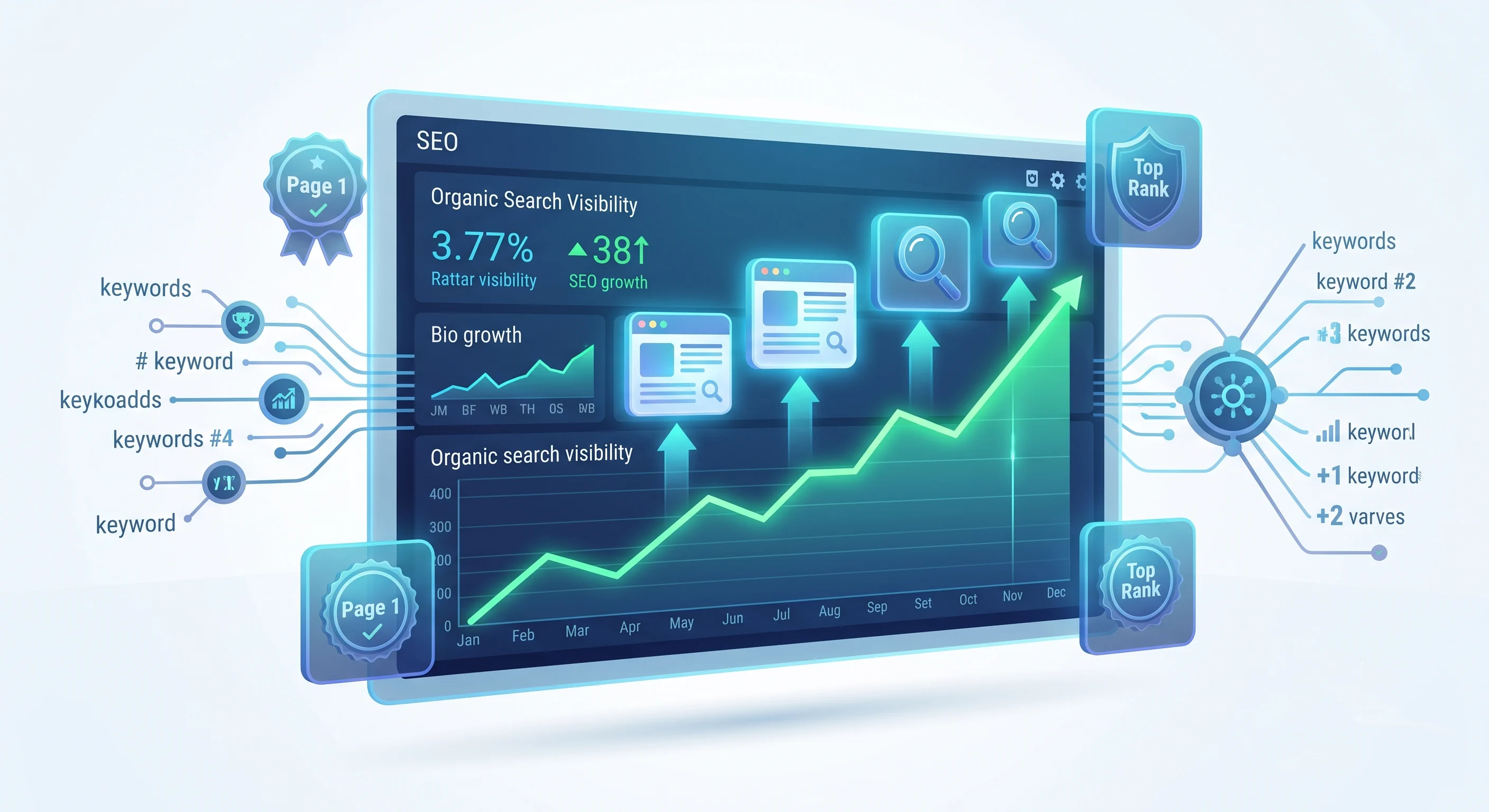
Configure static site performance and semantic page signals as technical foundations for public discoverability. Work can include:
Search engines control indexing and ranking; no visibility, traffic, lead, or revenue outcome is promised.
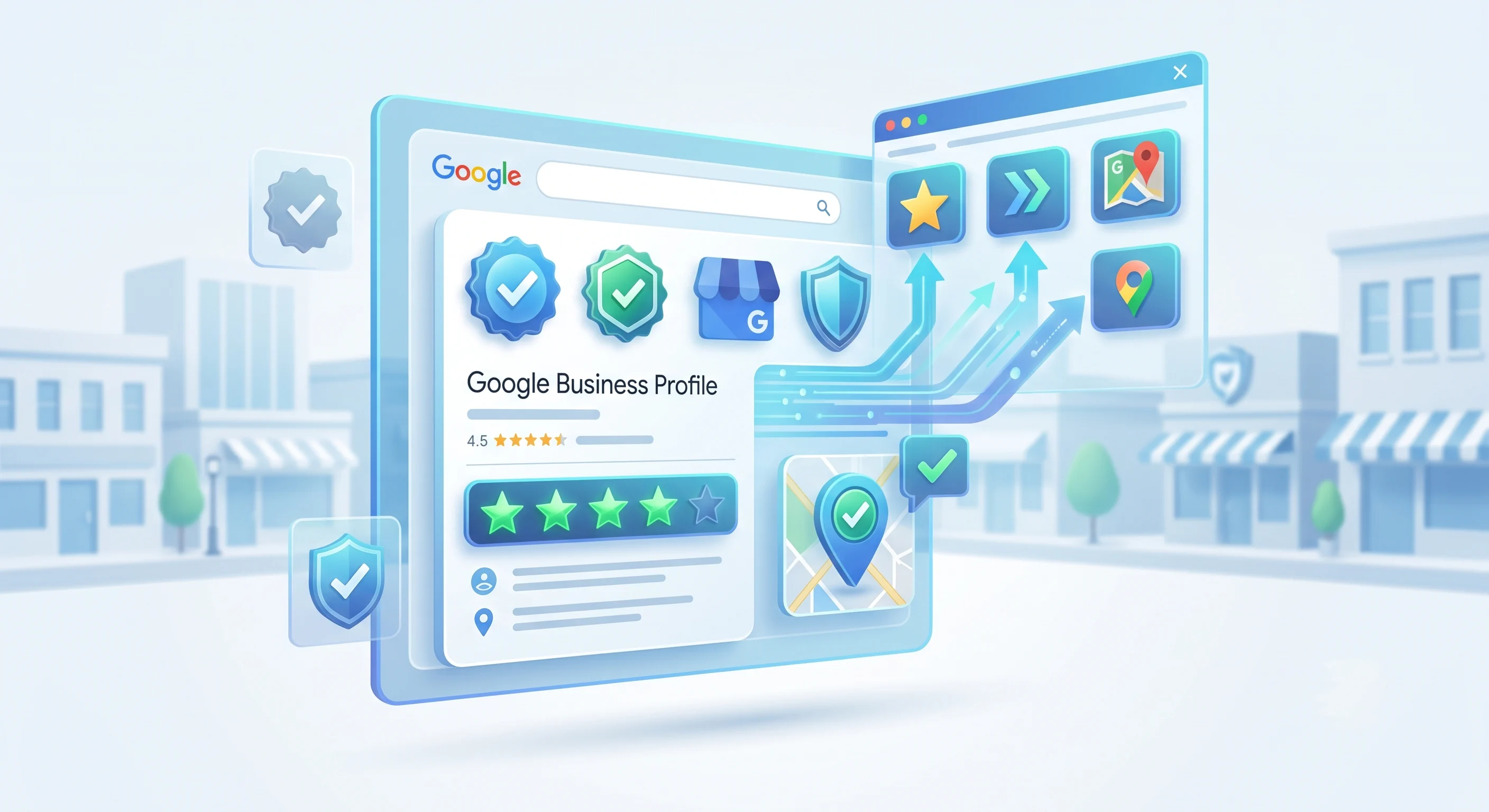
Keep your public business listing accurate, complete, and consistent with your website so local customers can evaluate your services and contact you. Support can include:
Profile changes are subject to Google's policies, verification requirements, and approval process.
Project outcomes
A website should arrive with a clear understanding of its content, dependencies, operating responsibilities, and next steps—not just a collection of pages.
Discovery and technical requirements
Information architecture and page structure
Responsive, accessible-minded interface
Performance and image optimization
Search metadata and content foundations
Client-owned deployment architecture consulting
Launch checks and handoff guidance
Ownership and maintenance recommendations
Website services
Web Development brings custom site engineering, technical performance configuration, and local profile support together. Explore static site architecture and local search foundations tailored to your organization.

Custom Next.js front-end engineering and static site architecture, with deployment planning for cloud accounts owned and managed by the client.
Explore static site buildsConfigure semantic metadata, structured data, and technical performance foundations without promising indexing, rankings, or traffic outcomes.
Explore local search architectureKeep your business information accurate and consistent where local customers find and evaluate your organization.
Explore profile optimizationLet's get started
We'll discuss your goals, current challenges, content, and technical requirements, then help outline a practical path forward.
Digital ArcAngel LLC provides custom Next.js front-end engineering, static site architecture, and technical performance configuration, including deployment architecture consulting. Domain registrations and cloud hosting accounts remain owned and managed by the client; search indexing and ranking are governed by third-party algorithms and are not guaranteed.