Reduce the public attack surface
Serve prebuilt pages instead of exposing a public application server and database for every visitor request. Keep management and internal systems outside the public delivery path.
Website engineering
We design and build fast, maintainable static websites that keep public content separate from the systems your organization relies on. The result is a deliberate digital presence, backed by a clear technical foundation.
Security-conscious by design. Not a guarantee of zero risk.
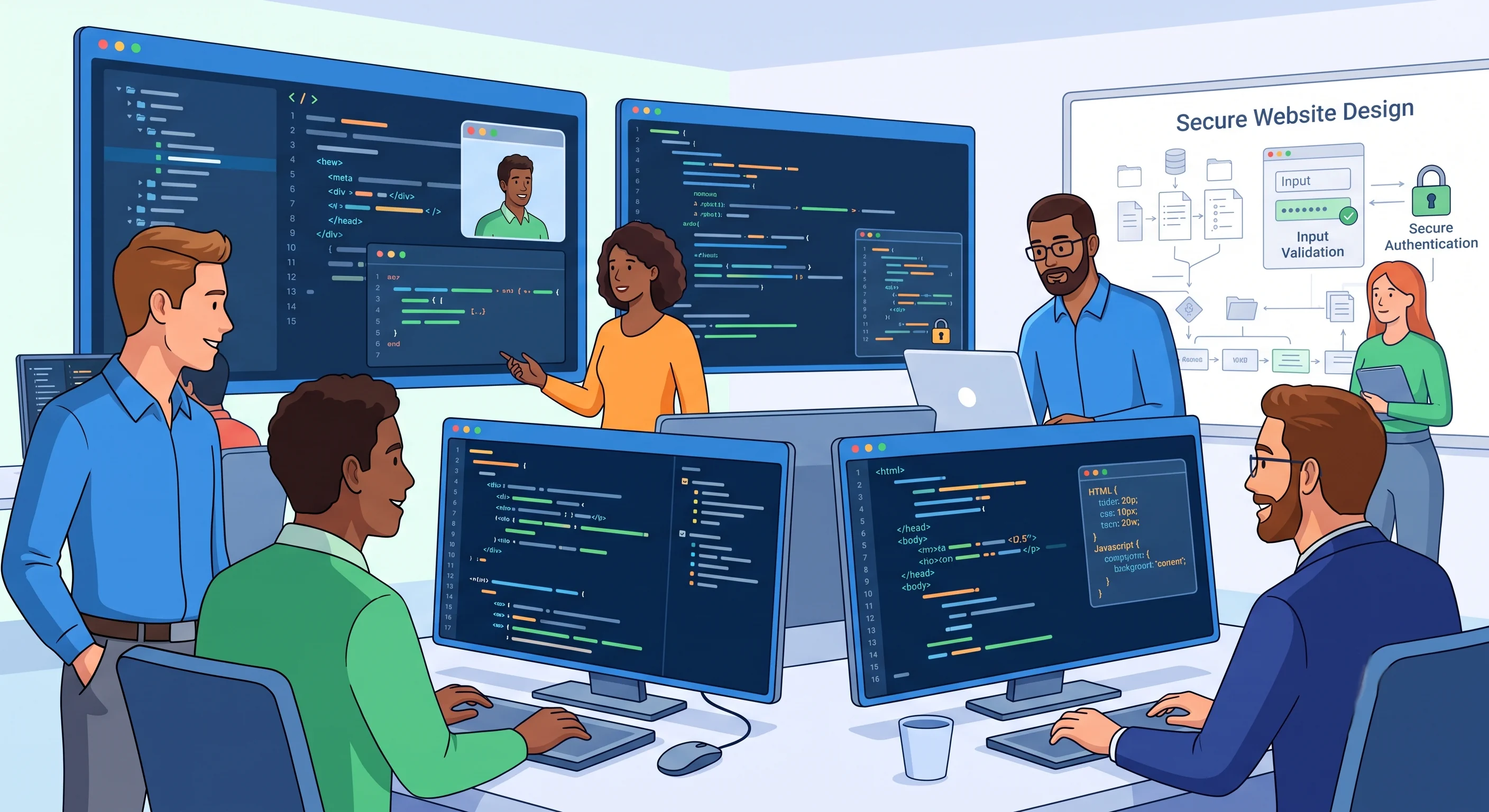
Design objective
Public by purpose. Private by boundary.
The approach
A conventional content management system can be the right choice for some teams. But when a website primarily publishes content, a public-facing server, database, and broad plugin ecosystem may add operational overhead that the site does not need. A static build moves page generation into a controlled publishing workflow and serves the finished result to visitors.
Serve prebuilt pages instead of exposing a public application server and database for every visitor request. Keep management and internal systems outside the public delivery path.
Deliver optimized assets through a content delivery network, use responsive image formats, and avoid unnecessary client-side code so pages load quickly across devices.
Use a focused, version-controlled codebase with explicit dependencies and a repeatable build. Fewer moving parts make changes easier to review, maintain, and explain.
How it works
A static architecture changes what is exposed at request time. Content is built ahead of time; visitors receive the generated output instead of triggering a database-backed page render on every visit.
Approved source and content are compiled into a versioned release artifact.
Source & content → build output
Hosting delivers generated pages and assets over HTTPS, with caching and platform protections configured for the project.
Published files · HTTPS · cache
The browser renders the delivered experience. Dynamic capabilities are added only through intentionally selected services.
Pages · styles · approved scripts
Security boundaries
Serving static files can remove common runtime components from the public site, but it does not remove every security responsibility. Hosting configuration, source dependencies, account access, browser-side code, and external services still matter. We treat these as parts of the system and make their boundaries visible.
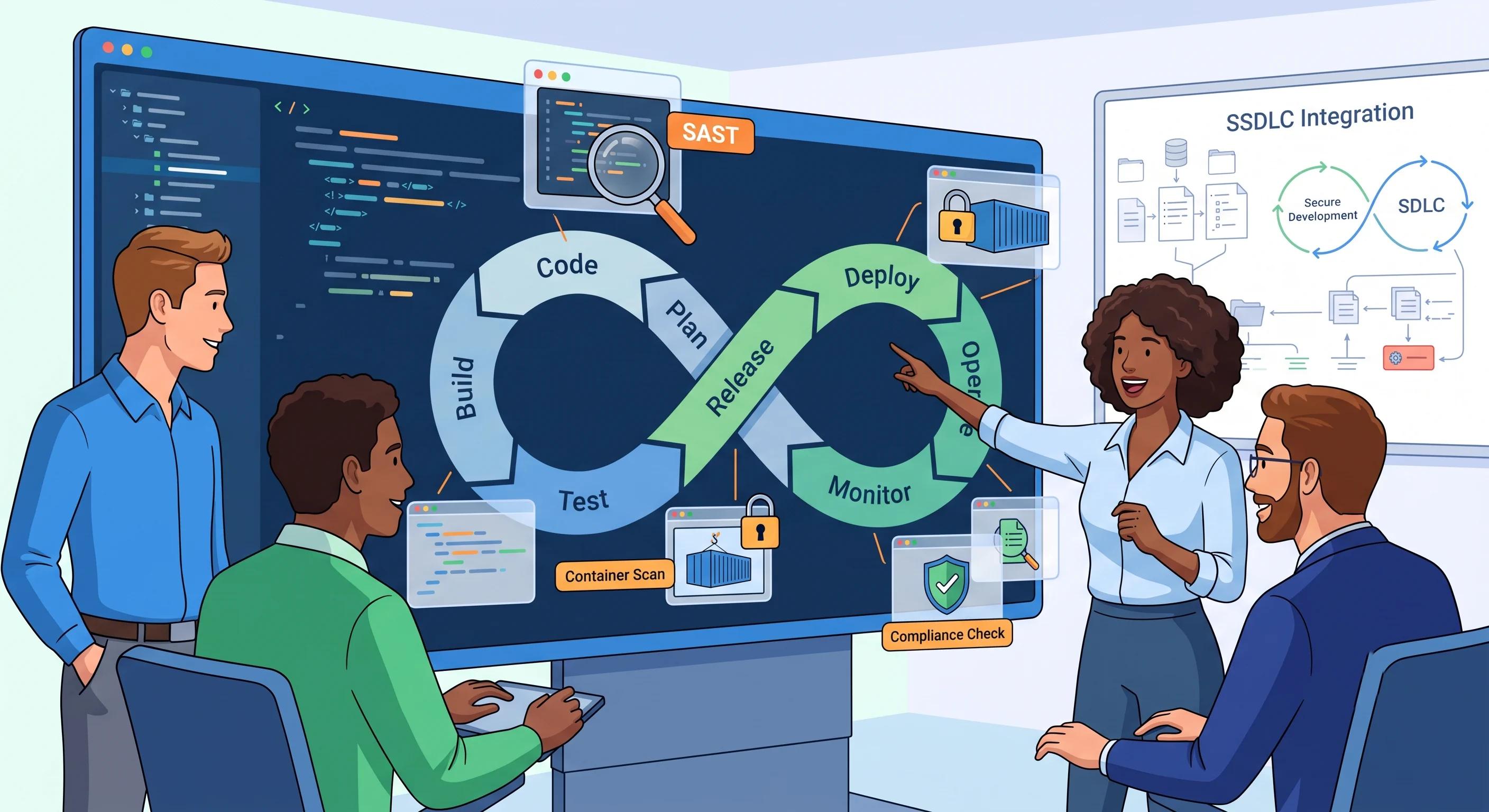
The public origin serves generated pages and approved assets. It does not need direct access to private business or operational networks.
Source changes and publishing credentials belong in controlled development and hosting workflows, not in the public site or browser.
Forms, analytics, scheduling, and other dynamic features are assessed individually. Each integration adds a dependency and should have a clear owner and data path.
Security outcomes depend on implementation, hosting configuration, operational practices, and the services connected to the site.
Delivery lifecycle
The build is only one part of a healthy website. We plan for the content, release, and ownership decisions that keep it useful after launch.
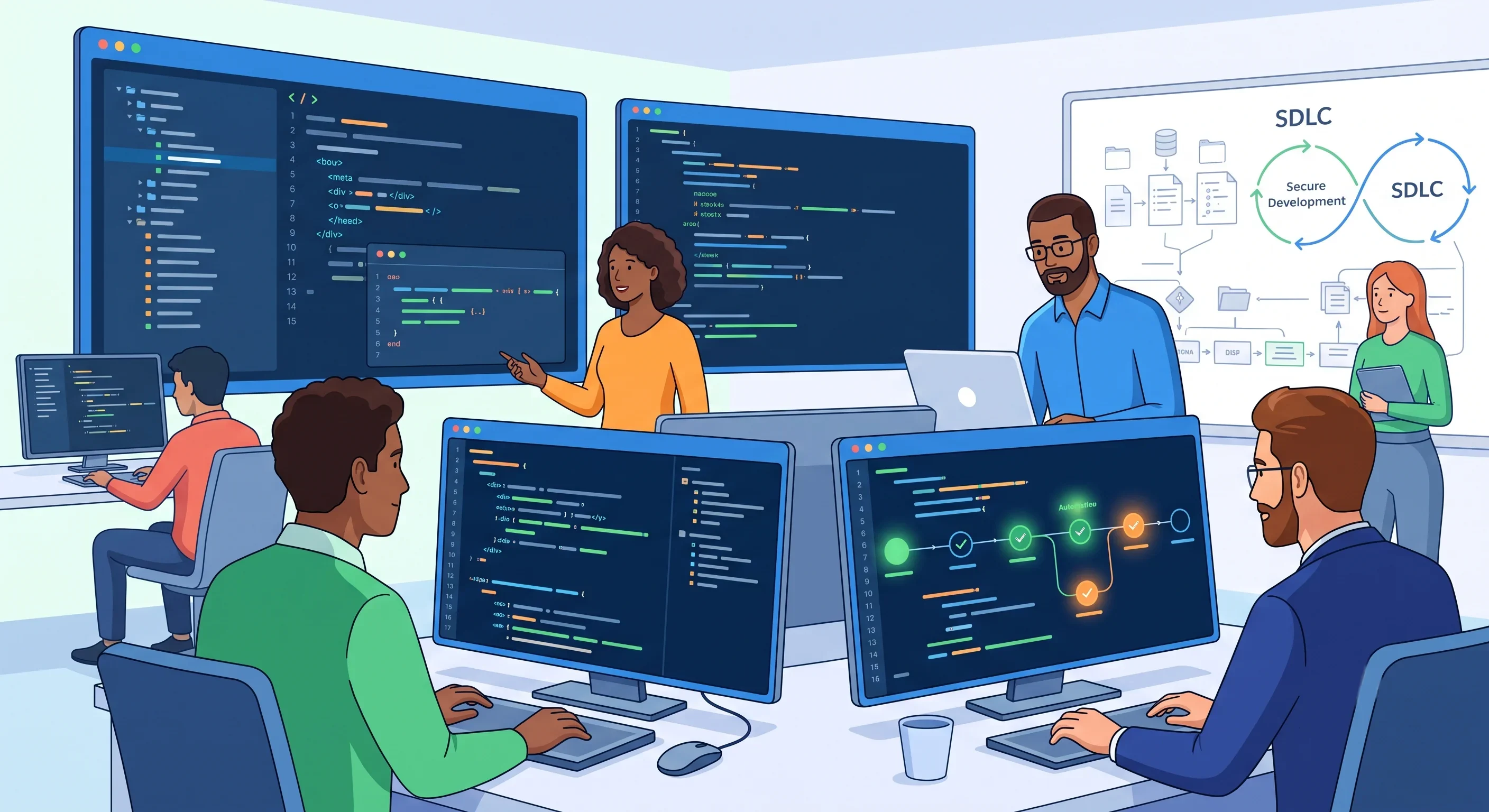
Clarify audiences, content, integrations, accessibility needs, hosting constraints, and the information the site should never collect.
Create the responsive experience and implement pages with structured metadata, optimized media, and only the functionality the project needs.
Validate links, layouts, forms, and build output; review configuration and dependencies; then publish through a documented, repeatable process.
Keep ownership of the source, hosting, domain, and integrations clear. Review changes and dependencies as the site and business evolve.
Practical scope
We shape the implementation around your content and operating needs. If the site needs a form, scheduling, or content editing workflow, we identify the right boundary and responsibilities before choosing how to connect it.
Build with intention
Tell us what your site needs to do, who will maintain it, and which systems it needs to connect to. We'll help map out a practical build and a clear path to launch.